
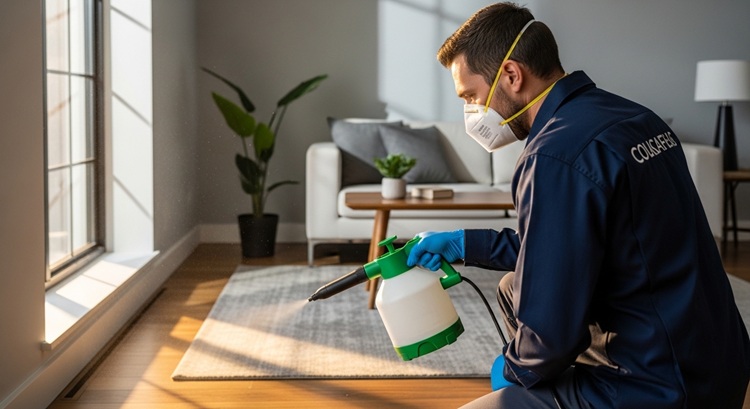

Protecting your infant from mosquito-borne risks requires more than seasonal awareness. Infants have delicate immune systems and thinner skin, making them particularly vulnerable to insect bites and related infections. A proactive, home-focused strategy significantly reduces exposure and enhances safety throughout the year.
Families seeking expert guidance often consult Pointe Pest Indianapolis to better understand local mosquito patterns and practical prevention methods. Professional insight combined with structured home safety measures creates a comprehensive defense against mosquito-borne threats that may otherwise compromise infant health.
Table of Contents
Understanding Mosquito-Borne Risks for Infants in Indianapolis
Mosquitoes are not merely irritating pests; they are vectors capable of transmitting infections. While severe cases are rare, infants are at greater risk of complications due to immature immune responses.
Common mosquito-borne concerns in Indianapolis include:
- West Nile virus
- Eastern equine encephalitis
- Zika virus (in travel-related cases)
- Secondary skin infections from excessive scratching
Infants under six months cannot safely use many chemical repellents, limiting protective options. Additionally, mosquito bites can cause exaggerated swelling or allergic-type reactions in babies, leading to discomfort, sleep disruption, and potential infection if the skin barrier is compromised.
Identifying High-Risk Areas Around the Home
Mosquito control begins with understanding breeding environments. Even small amounts of stagnant water can support mosquito larvae.
Inspect your property for:
- Clogged gutters holding rainwater
- Birdbaths, plant saucers, or unused buckets
- Poor drainage near foundations
- Water collected in tarps or outdoor toys
Indoors, risks increase when window screens are torn or doors are left open without protective barriers. Regular weekly inspections in Indianapolis significantly reduce mosquito population growth near living spaces. Removing breeding sites within a 100-foot radius of your home can dramatically decrease exposure risk for infants.
Safe Indoor Protection Strategies
Since infants spend much of their time indoors, interior protection must be prioritized.
Effective measures in Indianapolis include:
- Installing tightly fitted window and door screens
- Using crib-safe mosquito netting secured firmly under the mattress
- Keeping air conditioning running to reduce humidity and discourage mosquito entry
- Using fans to create airflow that interferes with mosquito flight patterns
Avoid using plug-in vapor repellents or chemical sprays in infant rooms unless specifically approved by pediatric guidance. Residue and inhalation exposure can pose additional risks.
Outdoor Safety Measures for Infants
When taking your infant outdoors, timing and preparation are critical.
Mosquito activity peaks:
- Early morning
- Dusk and early evening
- After rainfall
Protective practices include:
- Dressing infants in lightweight, long-sleeved clothing
- Using stroller mosquito nets
- Avoiding heavily shaded, damp areas
- Limiting outdoor exposure during peak mosquito hours
For babies older than two months, pediatric-approved repellents containing low concentrations of DEET (up to 30%) may be used sparingly on clothing, not directly on hands or near the face. Always consult a reputed Indianapolis pediatrician before application.
Professional Mosquito Management
While household efforts are crucial, professional intervention in Indianapolis enhances effectiveness, especially in mosquito-prone regions.
Professional services typically provide:
- Property inspections for breeding zones
- Targeted larvicide treatments
- Perimeter barrier treatments
- Seasonal maintenance programs
These services focus on reducing mosquito populations at the source rather than merely repelling adults temporarily.
When selecting professional assistance, verify:
- Licensing and certification
- Infant-safe treatment protocols
- Clear communication regarding chemical usage
Integrated mosquito management in Indianapolis reduces dependency on indoor chemical solutions and strengthens environmental safety for infants.
Recognizing Warning Signs After a Bite
Even with precautions, bites may occur. Monitor infants for:
- Persistent swelling beyond 48 hours
- Fever
- Lethargy
- Rash spreading beyond the bite area
- Signs of infection (warmth, pus, increasing redness)
Seek medical evaluation immediately if neurological symptoms such as unusual crying patterns, neck stiffness, or seizures occur.
Takeaway
Protecting infants from mosquito-borne risks in Indianapolis requires structured home maintenance, careful outdoor planning, and informed professional support. Through vigilant environmental control and infant-safe protective practices, families can significantly reduce exposure while maintaining a safe and comfortable home environment.
