

Moving specialty items requires more planning than packing ordinary furniture and household boxes. Their weight, shape, value, or delicate construction can create serious challenges.
To better understand specialty moving, I spoke with Lester Rivas, Owner Operator of LR MOVING & DELIVERIES. He operates a moving company in London, Ontario, that regularly handles pianos, hot tubs, safes, commercial equipment, and oversized furniture.
His experience highlights the importance of evaluating each item before moving day. Homeowners can also consult an experienced london ontario moving company when a relocation involves heavy, oversized, fragile, or valuable belongings.
Specialty moving is not simply about adding more people. It requires the correct equipment, route planning, building protection, and handling methods.
Table of Contents
What Qualifies as a Specialty Item?
A specialty item presents challenges beyond those involved in moving standard furniture.
It may be extremely heavy, unusually shaped, fragile, valuable, or difficult to disassemble. Some items also require professional installation after delivery.
Common specialty items include:
- Pianos and organs
- Gun safes and security safes
- Hot tubs and spa equipment
- Pool tables
- Antiques and heirloom furniture
- Artwork and sculptures
- Large mirrors
- Aquariums
- Exercise equipment
- Vending machines
- Restaurant appliances
- Medical equipment
- Industrial machinery
- Oversized furniture
- Sensitive electronics
An item does not need to be expensive to require specialty handling. Its weight, dimensions, or location can make it difficult to move safely.
Why Specialty Moving Requires More Planning
Ordinary furniture can often travel through a standard doorway with basic preparation. Specialty items may require a completely different approach.
Movers must consider:
- The item’s exact weight
- Its centre of gravity
- Doorway and hallway measurements
- Stairs and landings
- Elevator capacity
- Floor strength
- Outdoor terrain
- Loading access
- Required disassembly
- Temperature or moisture sensitivity
- Anchoring and utility connections
- Reassembly requirements
A heavy item can damage floors, stairs, walls, doorframes, and landscaping. Poor handling can also damage internal components that are not visible from outside.
Planning helps the crew select suitable dollies, straps, padding, ramps, floor protection, and lifting equipment.
Start With a Specialty-Item Inventory
Create a separate inventory for every specialty item before requesting moving estimates.
Include the following details:
- Item type and manufacturer
- Model number, if available
- Approximate weight
- Height, width, and depth
- Current location
- Destination location
- Number of stairs
- Doorway measurements
- Elevator availability
- Disassembly requirements
- Installation or utility connections
Send clear photographs to prospective movers. Include the item, doorways, staircases, hallways, driveways, and loading area.
These details allow movers to plan accurately. They also reduce the likelihood of unexpected charges or delays.
Measure the Entire Moving Route
Measuring the item is only the first step. You must also measure every section of the moving route.
Check:
- Doorways
- Hallways
- Staircases
- Landings
- Ceiling heights
- Elevators
- Gates
- Driveways
- Loading areas
- Entrances at the new property
Remove doors only when necessary and safe. Do not assume an item will fit because it originally entered the building.
Renovations, new railings, flooring, or landscaping may have changed the available space.
Tell the mover about narrow corners, low ceilings, uneven ground, and restricted parking. The mover may need a different entrance or specialized equipment.
How to Prepare a Piano for Moving
Pianos contain delicate internal mechanisms within a large and extremely heavy structure. Upright and grand pianos also require different handling methods.
Before moving day:
- Remove music books and loose accessories.
- Close and secure the keyboard cover.
- Tell the mover about stairs and tight corners.
- Measure every entrance and hallway.
- Confirm the piano’s type and approximate size.
- Protect nearby flooring and walls.
A grand piano may require partial disassembly. The crew may need to remove and protect its legs, pedals, and other components.
Never lift a piano by its legs or decorative sections. These areas may not support the instrument’s weight.
Plan to have the piano tuned after it adjusts to the new environment. Transportation and environmental changes can affect its tuning.
How to Move a Safe
Safes can weigh hundreds or thousands of pounds. Their compact appearance often hides their true weight.
Before moving a safe:
- Confirm its manufacturer and model.
- Find its documented weight.
- Remove permitted contents.
- Check whether it is anchored.
- Measure the safe and moving route.
- Tell the mover about stairs.
- Confirm the destination floor can support it.
- Keep combinations and keys secure.
Do not ask friends or family members to move a heavy safe without professional equipment. Its concentrated weight can cause injuries and property damage.
Movers may use heavy-duty dollies, stair climbers, ramps, protective materials, or rigging equipment. The required method depends on the safe and property.
How to Prepare a Hot Tub
Moving a hot tub requires preparation before the moving crew arrives. The spa must be disconnected, drained, and dried.
A qualified professional should handle electrical or permanent plumbing connections when required.
Before moving day:
- Disconnect the power safely.
- Drain all water.
- Remove remaining water from the lines.
- Clean and dry the surfaces.
- Remove loose covers and accessories.
- Measure gates and outdoor access.
- Clear landscaping and obstacles.
- Inspect the destination site.
Hot tubs are large but can also be vulnerable to cracks and surface damage. Movers must support the structure correctly throughout the move.
The destination must provide enough space for unloading and positioning. Prepare the foundation and utility connections before delivery.
Moving Antiques, Artwork, and Collectibles
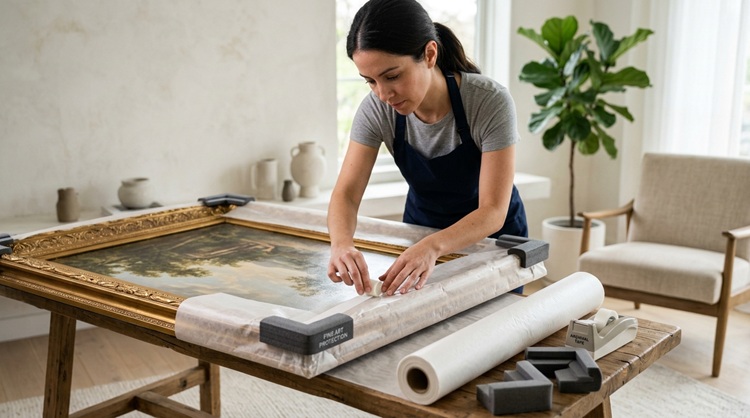
High-value belongings need protection against impact, vibration, moisture, and temperature changes.
Begin by documenting each item. Take photographs from several angles and record any existing damage.
Depending on the item, protection may include:
- Acid-free tissue
- Glassine paper
- Corner protectors
- Custom crates
- Padded blankets
- Foam inserts
- Climate-controlled transportation
- Separate inventory labels
- Security seals
Do not place adhesive tape directly on artwork, polished wood, leather, or antique finishes.
Large paintings and mirrors may need custom cartons or wooden crates. Sculptures may require fitted padding that supports their strongest structural areas.
Consider obtaining a current appraisal before the move. Keep purchase records, appraisals, and photographs in a separate file.
Moving Pool Tables
Many pool tables contain heavy slate sections that require careful disassembly and handling.
A pool table move may involve:
- Removing pockets and rails
- Carefully removing the felt
- Separating slate sections
- Protecting the frame
- Transporting components separately
- Reassembling and levelling the table
Trying to move an assembled slate table can damage the frame, slate, flooring, and doorways.
Ask whether the mover handles complete disassembly and reassembly. Some movers transport the table but use another specialist for levelling and installation.
Moving Exercise Equipment
Treadmills, weight systems, exercise bikes, and home gyms can be heavier than expected. Many also contain electronic or moving components.
Before moving exercise equipment:
- Consult the manufacturer’s instructions.
- Disconnect the power.
- Remove detachable weights.
- Secure moving components.
- Label cables and hardware.
- Photograph the assembly.
- Clean and dry the equipment.
- Measure the destination room.
Place hardware in labelled bags and attach them securely to the appropriate component.
Do not leave weight plates attached to machines. Removing them reduces weight and prevents movement during transportation.
Moving Commercial and Restaurant Equipment
Vending machines, refrigerators, ovens, prep tables, and industrial equipment require careful coordination.
Business equipment may involve:
- Electrical connections
- Gas connections
- Water lines
- Refrigerants
- Anchoring systems
- Sensitive internal components
- Health and safety requirements
- Manufacturer transportation instructions
Qualified technicians should disconnect and reconnect regulated utilities.
Empty, clean, and dry the equipment before moving day. Secure internal shelves, doors, drawers, and removable parts.
Tell the mover if equipment must remain upright. Provide the manufacturer’s transportation instructions when available.
Protect Both Properties
A successful specialty move protects the item and both buildings.
Movers may need:
- Floor runners
- Stair protection
- Doorframe covers
- Wall padding
- Corner guards
- Exterior ramps
- Plywood pathways
- Protective blankets
- Weather protection
Clear the moving route before the crew arrives. Remove rugs, decorations, plants, small furniture, and other obstacles.
Keep children and pets away from the work area. Specialty moves require concentration and clear communication between crew members.
Review Moving Coverage Carefully
Standard moving coverage may not equal an item’s full replacement value.
Ask the mover to explain:
- Basic liability coverage
- Replacement-value options
- Coverage limitations
- High-value item declarations
- Packing requirements
- Excluded items
- Owner-packed item restrictions
- The damage-claim process
Never assume that an expensive item has full coverage. Request written confirmation before moving day.
Your home insurance may provide some protection during a move. Contact the insurer and ask about exclusions, limits, and temporary coverage.
Questions to Ask a Specialty Moving Company
Experience matters when moving large or fragile belongings. Ask direct questions before choosing a company.
Questions should include:
- Have you moved this type of item before?
- What equipment will you use?
- How many crew members will attend?
- Do you handle disassembly and reassembly?
- Will you protect floors, stairs, and walls?
- Does another company handle any part of the move?
- What information do you need before providing a quote?
- What insurance coverage applies?
- Are stairs or difficult access included?
- What happens if the item does not fit?
A reputable mover should ask detailed questions about the item and property. A quote based only on a short description may overlook important challenges.
Common Specialty-Moving Mistakes
Several avoidable mistakes can increase the risk of damage or delays.
Guessing the Item’s Weight
Appearance does not reveal weight accurately. Find the manufacturer’s specifications whenever possible.
Measuring Only the Item
The item may fit through one doorway but fail at a staircase, corner, elevator, or destination entrance.
Hiding Access Problems
Tell the mover about every stair, narrow hallway, steep driveway, and parking restriction.
Using Inadequate Equipment
Household dollies and light-duty straps may not support specialty items.
Skipping Utility Professionals
Movers should not perform regulated gas, electrical, or plumbing work unless they hold the necessary qualifications.
Assuming Full Insurance Coverage
Confirm coverage limits and exclusions in writing before the move.
Waiting Until Moving Day
Special equipment and additional crew members may require advance scheduling.
Specialty Moving Checklist
Use this checklist before moving a heavy, fragile, or valuable item:
- Identify the item’s make and model.
- Confirm its dimensions and weight.
- Photograph its current condition.
- Measure the complete moving route.
- Identify stairs, elevators, and access restrictions.
- Arrange professional disconnection when required.
- Remove loose parts and permitted contents.
- Gather manuals and assembly instructions.
- Request a written moving estimate.
- Review insurance coverage.
- Reserve elevators and parking.
- Clear and protect the moving route.
- Prepare the destination area.
- Inspect the item after delivery.
- Record any damage before signing the final paperwork.
Frequently Asked Questions About Specialty Moving
What Is Considered a Specialty Move?
A specialty move involves an item requiring additional planning, equipment, protection, or expertise.
Examples include pianos, safes, hot tubs, pool tables, artwork, antiques, exercise equipment, and commercial machinery.
Do Specialty Movers Pack the Item?
Many specialty movers offer packing and protective wrapping. However, services vary between companies.
Confirm whether packing, crating, disassembly, and reassembly appear in the written estimate.
How Much Does Specialty Moving Cost?
Cost depends on the item’s weight, dimensions, distance, access, equipment, and required crew size.
Stairs, difficult entrances, custom crating, and utility connections can increase the total price.
Can Regular Movers Handle a Piano or Safe?
Some full-service movers have the training and equipment required for specialty items. Others may refer the work to another company.
Ask about direct experience with your specific item.
Should I Empty a Safe Before Moving It?
Remove cash, jewellery, documents, firearms, medication, and other permitted contents before the move.
Ask the mover about removable shelves or internal components. Follow all applicable laws when transporting regulated contents.
Can I Move a Hot Tub Without Professional Help?
A hot tub’s size, weight, and construction make DIY moving risky. Professional equipment and a planned route can protect the spa and surrounding property.
Use qualified technicians for regulated electrical or plumbing work.
Give Special Belongings the Planning They Deserve
Specialty items often carry financial, practical, or emotional value. They deserve more than improvised lifting and basic moving blankets.
Start by collecting accurate information about each item. Measure both properties and identify every access challenge.
Choose movers with relevant experience, suitable equipment, clear insurance terms, and a detailed plan.
With careful preparation, specialty belongings can reach their destination safely without unnecessary damage to the item or your home.
