
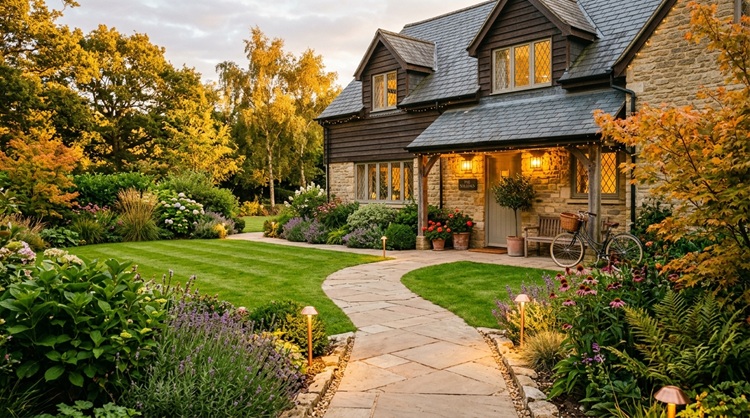
How Roofing Services Impact Your Home’s Resale Value (And What Buyers Are Actually Looking For)

When you are getting ready to sell your home, the to-do list can feel endless. Fresh paint, landscaping, maybe a kitchen refresh. But one thing that tends to get overlooked until a home inspector brings it up is the roof. Professional roofing services can do more than keep rain out of your living room. Done right, they are one of the more strategic investments you can make before listing your home, and one of the things buyers are quietly scrutinizing before they ever make an offer.
Whether you are years away from selling or actively prepping for market, understanding the relationship between your roof and your home’s resale value is worth your time.
Table of Contents
Why Buyers Pay Attention to the Roof
Here is something most sellers do not fully appreciate: buyers are scared of roofs. Not in a haunted-house way, but in a “this could cost me $15,000 in year two” kind of way. A roof that looks worn, shows visible damage, or raises questions during inspection creates doubt. And doubt is the enemy of clean offers.
When buyers walk through a home, they are mentally calculating risk. A roof that clearly has years of life left removes one of the biggest variables from that calculation. A roof that looks questionable does the opposite. It gives buyers a reason to either walk away, lowball the offer, or come back after inspection with a credit demand.
According to data from the National Association of Realtors, a new roof consistently ranks as one of the top exterior improvements that positively influence a buyer’s purchasing decision. That is not a coincidence. It reflects exactly what buyers are thinking when they tour a home.
What a Roof Inspection Actually Uncovers
Most real estate transactions include a home inspection, and the roof is always on the checklist. Inspectors look at the age of the roof, the condition of the shingles, the flashing around chimneys and skylights, the state of the gutters, and whether there are any signs of previous leaks or moisture intrusion in the attic.
If problems come up, the deal does not necessarily fall apart. But the negotiation dynamic shifts. Buyers will ask for a price reduction, a credit at closing, or a repair contingency. Sellers who proactively address roofing issues before listing avoid giving buyers any leverage on this front.
A professional roofing evaluation before you list can help you understand exactly what you are working with. Some issues are minor and inexpensive to address. Others might point toward a larger conversation about replacement. Knowing in advance puts you in control of that conversation rather than reacting to it after an offer is already on the table.
The ROI Question: Is a New Roof Worth It Before Selling?
This is where homeowners get a little nervous, and rightfully so. A full roof replacement is a significant investment. The reasonable question is whether you will actually recoup that cost when you sell.
The honest answer is: it depends on the home’s current condition and what the local market supports. In general, Remodeling Magazine’s Cost vs. Value report has placed the return on a new asphalt shingle roof at roughly 60 to 70 percent nationally. That sounds like you are losing money, but the real calculus is more nuanced than that.
Here is what that ROI calculation often misses. A roof in poor condition can reduce your sale price by more than the cost of replacing it, once you factor in buyer negotiation, extended time on market, and the risk of a deal falling through after inspection. A home that is priced appropriately with a brand new roof is a cleaner, more attractive listing than a comparable home where the buyer is already planning a roofing project in year one.
In competitive markets, a new roof can also serve as a differentiator. When two similar homes are priced within a few thousand dollars of each other, the one with a new roof is an easier decision for a buyer.
What Buyers Are Actually Looking For in a Roof
Buyers are not just looking for a roof that does not leak. They want confidence. They want documentation. And increasingly, they want to know the roof was installed by someone qualified.
A few things buyers and their agents will specifically ask about:
Age of the roof. Most buyers want to know the roof’s installation date. A roof that is 5 years old reads very differently than one that is 18 years old, even if the older one still has life left. If you know when your roof was last replaced, have that information ready.
Type of materials used. Architectural shingles, metal roofing, and other premium materials signal quality and longevity. Buyers who are educated about roofing will notice the difference between a builder-grade three-tab shingle and a higher-tier product. Material quality communicates value.
Workmanship warranty coverage. This is something more buyers are starting to ask about. A roof backed by a meaningful workmanship warranty tells buyers that the installer stood behind their work. It is documentation that reduces perceived risk.
Manufacturer warranty transferability. Certain roofing products come with manufacturer warranties that can be transferred to a new homeowner. For buyers, a transferable warranty is a meaningful added protection. It signals that the materials were installed by a certified contractor who met the manufacturer’s installation standards, which is required to keep that coverage valid.
Permits and documentation. If you had roofing work done, buyers and inspectors may ask whether permits were pulled. Permitted work has been inspected and meets local code. Unpermitted work raises questions about quality and can complicate a sale.
The Certification Factor
One thing that matters more than many sellers realize is whether the roofing contractor who did the work holds recognized industry certifications.
When a roofing contractor is certified by a major manufacturer like GAF, it means they have met specific training, installation, and business practice standards. Contractors who hold certifications at higher tiers, such as GAF Master Elite status, represent a small percentage of contractors nationwide and are required to maintain insurance, licensing, and a commitment to ongoing education.
For buyers and their agents, knowing that a certified contractor installed or replaced the roof is meaningful. It is not just a marketing label. It means the installation was held to a documented standard, and in many cases, it is what allows a premium manufacturer warranty to be issued.
If you are planning roofing work before a sale, choosing a certified contractor is not an upsell. It is the difference between work that comes with documentation and transferable coverage versus work that does not.
Repairs vs. Replacement: How to Decide Before You List
Not every home needs a full roof replacement before selling. Sometimes a targeted repair strategy addresses the specific issues an inspector would flag and gets you to closing without a full replacement budget.
Here is a general way to think about it:
If your roof is relatively recent (under 12 to 15 years old for asphalt shingles) and the underlying structure is sound, strategic repairs to damaged or missing shingles, flashing, and penetrations may be sufficient. The goal is to ensure the roof passes inspection without any red flags.
If your roof is approaching or past the expected lifespan for its material type, replacement is worth a serious conversation. A roof that passes inspection today but has three to five years of life remaining is still going to be a negotiating point for informed buyers. They will see it in the inspection report, and they will price accordingly.
A professional roofing evaluation before listing will help you understand which scenario applies to your home and what the most strategic path forward looks like.
Curb Appeal Is Part of the Value Equation Too
It is easy to think about roofing purely in structural terms, but buyers also see it visually. A roof that is streaked with algae, has missing or curling shingles, or simply looks its age makes a first impression that is hard to shake.
Curb appeal is a real factor in how buyers perceive a home’s overall condition and how quickly they decide to schedule a showing. A clean, well-maintained roof communicates that the home has been cared for. An obviously worn roof creates doubt about what else might have been neglected.
If your roof is structurally fine but looks rough, even a professional cleaning or selective shingle replacement can improve how the home photographs and how buyers respond when they pull up to the driveway.
A Simple Pre-Listing Roof Checklist
Before your home goes on the market, consider walking through this quick checklist:
- Have a professional inspect the roof and provide a written condition report
- Know the age of the roof and have documentation of any past work
- Address any flashing issues, missing shingles, or visible damage
- Confirm whether any existing warranties are transferable to a new owner
- Gather permits and paperwork from any prior roofing work
- Consider curb appeal, not just structural condition
Buyers who are serious about a home will dig into the details. Having answers ready builds confidence and keeps the negotiation in your favor.
The Bottom Line
Your roof is not just an architectural feature. It is one of the first things buyers evaluate and one of the things that most directly influences whether a transaction closes cleanly or turns into a negotiation battle.
Investing in quality roofing services before listing your home is not about spending money for the sake of it. It is about removing doubt, presenting documentation, and making it easy for buyers to say yes. In a market where buyers have options and inspections are thorough, that matters more than most sellers expect until they are already in the middle of a deal.
If you are thinking about selling in the next year or two, now is the time to evaluate where your roof stands. A professional assessment costs you nothing compared to what an inspector’s report with roofing concerns can cost you at the negotiating table.
