
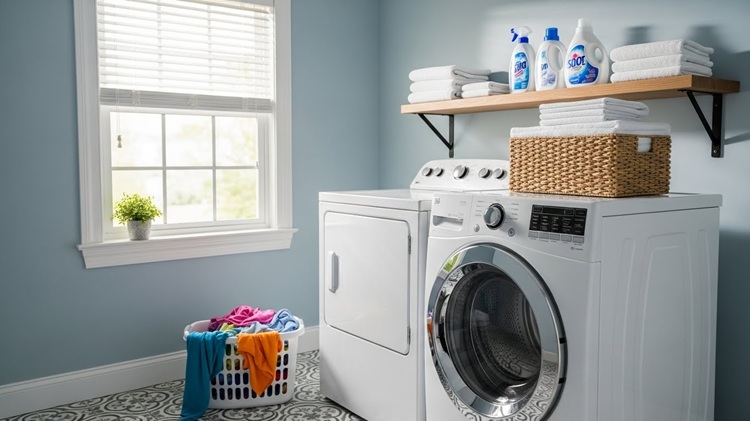

Laundry: the never-ending reminder that clean clothes don’t appear by magic. But there’s good news: going eco-friendly doesn’t mean buying fancy machines or spending hours measuring out homemade soap.
It’s about little, doable changes that help the planet and make your clothes last longer, because no one enjoys shrunken jumpers or faded shirts.
So, if you’re keen to lighten your footprint one wash at a time, keep reading.
Table of Contents
1. Choose Green Detergents
Let’s start with the star of the show: your detergent. It might look innocent sitting there in its bright plastic bottle, but traditional detergents can be surprisingly harsh on both your clothes and the environment.
They often contain chemicals that linger in waterways long after your laundry is done, not to mention the plastic packaging that sticks around even longer.
Luckily, there are plenty of greener alternatives that perform just as well. Look for plant-based or biodegradable options that don’t include phosphates, optical brighteners, and synthetic fragrances.
You’ll usually find them proudly labelled with eco certifications like Australian Certified Organic.
You can explore refill stations if your local shop has them. It’s another good step toward zero waste.
Feeling a bit crafty? You can even whip up your own DIY mix with a spoonful of bicarb soda and a drop or two of eucalyptus oil.
In any case, before you get too enthusiastic with the scoop, remember that less is more. Using too much detergent won’t make your clothes cleaner; it just leads to extra rinsing and wasted product. So, stick to the recommended ratios or even a smidge less if your machine is efficient.
2. Turn Down the Heat
Now that your detergent is sorted, let’s talk about the temperature you’re using, because your washing machine is probably working way harder than it needs to.
Most of the energy used during a wash goes into heating the water, not actually cleaning your clothes. Switching to a cold wash can instantly cut your household energy use, save a tidy chunk on your electricity bill, and still get your clothes properly clean.
And don’t worry, cold water isn’t some half-measure that leaves your laundry sad and patchy. Modern detergents are designed to work wonders in cooler temperatures.
Even stubborn culprits, like food stains, grass marks, and sweaty gym gear, can be tackled easily with the right cold-water formula.
The best part is that cold water is kinder to your clothes. It preserves colours, prevents shrinking, and keeps fabrics soft and strong. Think of it as your laundry’s version of sunscreen—small effort, long-term reward.
3. Optimise Load Sizes
Running half-full cycles doesn’t just waste detergent and water. It also eats up power and time. Every spin, rinse, and drain cycle adds up, so you may as well make each one count.
Keep your machine comfortably full but not crammed. Your clothes should have enough room to move around. This will help the detergent reach every fibre, giving you cleaner results without overworking your washer.
If your laundry piles fluctuate, keep separate baskets for lights, darks, delicates, and towels. That way, you can see at a glance what’s ready for a full wash instead of guessing or mixing things you’ll regret later.
If space or time is tight, another option is to get a helping hand from regular house cleaning services. A growing number of companies use biodegradable detergents and energy-efficient methods, so you can outsource the chore guilt-free and get a bit of your weekend back.
4. Use Safe Fabric Softeners
Most commercial softeners are full of synthetic scents and mystery chemicals. They head down the drain and end up in waterways where they don’t belong.
But don’t worry, foregoing these commercial softeners doesn’t mean rough, scratchy laundry forever.
There are eco-friendly alternatives that get the job done without leaving a chemical trail. Look for plant-based or biodegradable options made with natural oils or minerals. They’ll still keep your clothes comfy and static-free.
If you want to DIY this, grab some white vinegar and mix in a few drops of essential oil like lavender or lemon. It’ll soften fabrics, clear out detergent buildup in your machine, and give your laundry a fresh, subtle scent.
5. Soak Up the Sunshine
We all love the convenience of tossing everything in the dryer and walking away, but let’s be honest, those things chew through electricity like nobody’s business. If you’ve ever glanced at your power bill after a week of rainy-day tumble-drying, you’ll know exactly what we mean.
Instead, let nature do the work. Air drying is hands down one of the easiest ways to slash your carbon footprint and make your clothes last longer. Sunshine and a bit of breeze do a better job than most machines, and they don’t cost a cent to run.
No outdoor access? Prop folding racks inside by bright windows or airy spots. Hang clothes on curtain rods or pulleys to maximise tight spaces. Even a bathroom with decent airflow can work if the weather is humid.
Here’s a pro tip: give your clothes an extra spin cycle before hanging them. It’ll remove excess water, so they’re going to dry faster.
And if you’re after that soft, fluffy towel feel, you can always tumble them in the dryer for five minutes at the end. You’ll get the best of both worlds: soft fibres without the energy drain.
6. Make Your Laundry Kit Greener
By now, your laundry routine should be looking pretty sharp, with a greener detergent, cooler washes, air drying, and soft clothes that don’t smell like a chemical factory. But let’s take things one step further and look at the gear you’re using to make it all happen.
It’s not just about what goes in your machine. It’s also about all the bits and bobs around it. Think of this as a mini sustainability audit for your laundry cupboard.
If you’re using plastic peg bags, lint rollers, or cleaning brushes that are on their last legs, consider upgrading to versions made from sustainable materials. Bamboo and recycled metal are tough enough to handle daily use without the waste factor.
Brands such as Koala Eco or Method offer green laundry solutions. Yes, some of these products cost a little more upfront, but they pay for themselves over time since you won’t be constantly restocking them.
Conclusion
You don’t need a cape to save the planet—just a clothesline and a bit of enthusiasm. Trust us, you’ll feel a quiet sense of victory every time you hang a fresh load in the sun or skip a power-hungry dryer cycle.
So, what are you waiting for? Pick just one hack and give it a go today!
