
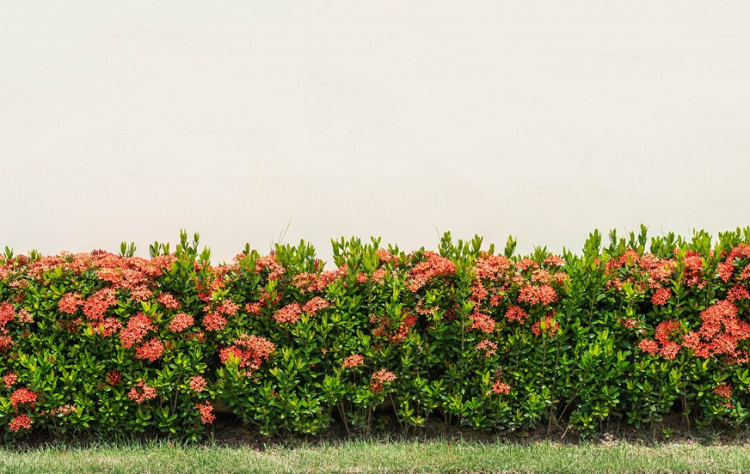

The Redbud tree (Cercis canadensis) is a stunning, deciduous tree that’s a true showstopper in landscapes across Florida. Known for its vibrant, early spring blossoms and attractive, heart-shaped leaves, the Redbud is an excellent choice for adding color, texture, and visual interest to any garden. Whether you’re looking to enhance your backyard or create a focal point in your front yard, the Redbud tree’s beauty and versatility make it a perfect addition to your landscape.
Table of Contents
Why Choose a Redbud Tree?
- Striking Spring Blooms
The Redbud is perhaps best known for its brilliant display of small, pink to purple flowers that bloom in early spring before the leaves emerge. These clusters of blossoms cover the branches, creating a breathtaking contrast against the tree’s smooth, gray bark. The flowers not only add aesthetic appeal but also attract bees, butterflies, and other pollinators, making them a great choice for creating a wildlife-friendly garden. - Compact Size
Unlike some larger trees, the Redbud is relatively compact, making it ideal for smaller landscapes or as an ornamental tree in urban gardens. Typically growing 20 to 30 feet tall with a similar spread, it fits well in a variety of spaces, from residential yards to public parks. - Attractive Foliage
Once the flowers fade, the tree’s heart-shaped leaves take over, offering a rich green canopy in the summer. As fall approaches, the foliage turns a beautiful golden yellow, providing year-round interest and seasonal color. - Low Maintenance
Redbuds are relatively low-maintenance trees, requiring minimal care once established. They prefer well-drained, slightly acidic soils but can tolerate a variety of soil types. Redbuds are also adaptable to a range of sun exposures, thriving in full sun to partial shade. Additionally, they’re resistant to many common tree pests and diseases.
How to Grow and Care for Redbud Trees
- Planting: When planting a Redbud, choose a spot with enough space for the tree to grow to its full size. Make sure the location receives at least partial sunlight.
- Watering: While Redbuds are drought-tolerant once established, they will thrive with regular watering during dry spells.
- Pruning: Prune the tree in late winter or early spring to maintain its shape and remove any dead or damaged wood.
- Fertilizing: Apply a balanced, slow-release fertilizer in the spring to encourage healthy growth.
Final Thoughts
With its striking spring blooms, attractive foliage, and relatively easy care, the Redbud tree is a standout choice for adding beauty and interest to your landscape. Whether planted as a specimen tree or part of a mixed garden bed, the Redbud is sure to impress season after season. Make it the plant of the month in your landscape this spring and enjoy its charm year-round!
This post was written by a professional arborist at Tree Trimming Clearwater Florida. Robert Miller is the owner of Arbor Wise Professional Tree Care, a locally owned and operated tree service company that offers superb lawn care by the most experienced Arborists. Arborwise Tree Services is a tree removal company that offers stump removal, tree pruning, stump grinding, fertilization, and tree restoration. We have an extraordinary lawn care industry notoriety covering the Pinellas county area.